What defect tracking is actually trying to do
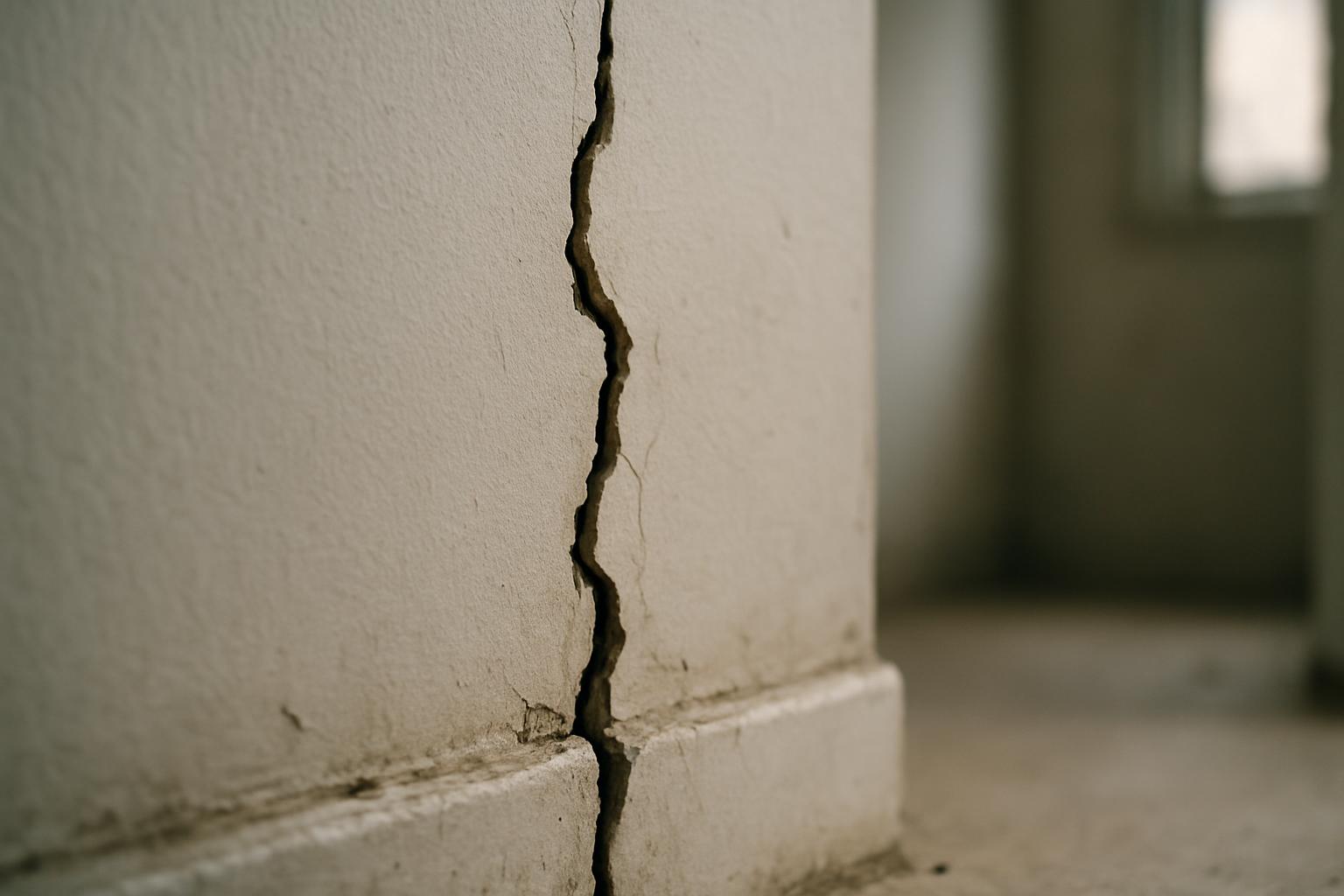
Construction defect tracking is the discipline of recording every defect, fault, and unfinished item on a project, routing it to whoever can fix it, and keeping proof of what happened from the moment it was found to the moment it was signed off. It spans the obvious — cracked tiles, doors that bind, missing fixtures, water ingress — and the less obvious: works that don't match the specification, finishes below the agreed standard, and latent issues that only surface weeks after handover.
The goal isn't just to make a list. It's to make a defensible one. On any project of size, defects become a question of accountability and money: contractors want to clear them to release final payment, clients want them fixed before they accept the building, and both sides may need to show, later, exactly what was raised and what was done. A defect record that can't answer "when did we report this, and who did we send it to?" is a liability, not an asset.
Done well, the same record serves four masters at once. It tells the trade what to fix and where. It tells the project manager what's still open. It tells the client what's been cleared. And it gives everyone a timestamped history that holds up if a dispute or warranty claim arrives months down the line. The format is simple; keeping it intact under field conditions is the challenge.
Where paper and email lose the thread
Paper is fast to write on and impossible to trust afterward. A snagging sheet filled in on site gets photographed, emailed, retyped into a spreadsheet, and somewhere in that relay the photo gets separated from the note, the unit number gets transposed, and an item gets dropped because it sat on the second page no one scrolled to. By the time the list reaches the people fixing things, it's a copy of a copy with no clear origin and no way to confirm it's complete.
Email is worse in a different way. A defect raised in an email thread has no status — it's open until someone remembers it isn't. Replies fork, the subject line drifts, two people answer the same point, and the photo lives as an attachment three messages up that nobody can find on a phone. Ask an email-driven project "is unit 4B closed out?" and the honest answer is usually "let me search my inbox," which is not an answer a client or an auditor accepts.
Group chats feel modern but lose the thread fastest of all. Defects, banter, delivery times, and photos of lunch scroll past in one stream with no structure, no assignment, and no record you can export. The information technically exists, but it can't be counted, sorted, or proven. Across all three, the failure is the same: the photo, the location, the assignment, and the history live in different places, so no single source can tell you the true state of the project.
What one logged record changes
The fix is structural, not a matter of trying harder. When every defect is captured once as a single record — a photo, an exact location, a clear factual description, the recipient, and a timestamped status — the thread stops breaking because there's only ever one of it. You don't reconcile a paper sheet against a spreadsheet against an inbox; you open the record and it tells you everything, including what's already happened to it.
This is what turns a list into accountability. Each item carries a name, so a defect can't quietly become nobody's job. Each item carries a timestamp for when it was raised and when it was closed, so "we'll get to it" has a clock attached. And each item carries a photo taken at the source, so there's no later argument about whether the crack was always there or how bad the water staining really was. Disagreements that used to eat an afternoon get settled by opening the record.
It also changes what you can measure. Once defects are structured data rather than prose scattered across channels, you can see how many are open by trade, how long they sit before they're closed, and which areas of a building generate the most rework. That visibility is impossible on paper and email, and it's the difference between firefighting defects one at a time and managing them as a pipeline you can actually close out on schedule.
Writing a defect entry the trade can act on
A good defect entry answers the question the person fixing it would otherwise have to phone you to ask. That means one problem per entry, described factually, with what "fixed" looks like made explicit. "Bad paint" forces a callback. "Paint runs and uneven coverage on the north wall of bedroom 2, second coat needed" can be actioned without anyone picking up the phone. Specificity is what stops a defect from bouncing back as "couldn't find it" or "looked fine to me."
Location is half the value of the entry and the half most often fumbled. A defect is only useful if the right person can stand in front of it within a minute of reading the note, so the entry needs the building, the level, the unit, and where in the room — pinned to a real address rather than typed from memory at the end of a long day. A wrong or vague location turns a two-minute fix into a wasted site visit.
The photo carries the weight that words can't. It fixes the condition in time, removes the argument about severity, and gives a remote project manager enough to triage without travelling to site. The strongest entries pair a wide shot that shows where the defect is with a close shot that shows what it is, so the trade arrives knowing both the location and the work. Keep the description objective — what you observed, not who you blame — because that record may be read later by people who weren't there.
Routing, follow-up, and proving close-out
Capturing a defect is only the first third of the job. The second third is routing it to the right recipient without a manual triage step — plumbing defects to the plumber, electrical to the electrician, finishes to the decorator — because a defect that lands in the wrong inbox waits there until someone forwards it, and that delay is invisible until it's a deadline. Per-category routing turns assignment from a daily chore into something that happens the moment the item is raised.
The middle of the lifecycle is where defects quietly die. An item raised and then forgotten is the most common failure on site, and it usually isn't malice — it's that nothing nudged anyone. Structured follow-up reminders keep open items in front of the people responsible, so a defect either gets closed or visibly escalates, rather than slipping off the bottom of a list. The aim is that no item can go silent without someone noticing.
The final third is proof. Close-out isn't "the trade said it's done" — it's a record showing the item was raised on a date, sent to a named recipient, and confirmed fixed, ideally with an after photo alongside the before. That audit trail is what releases payment without dispute, what satisfies a client that the building is genuinely complete, and what protects you if a warranty claim or defect liability question surfaces months later. Without it, you're trusting memory; with it, you're presenting evidence.
How SnagGrid handles construction defect tracking
SnagGrid is built to keep the thread intact from the first site walk to sign-off. You snap a photo and drop a map pin — the address auto-fills, so the location is exact without typing — then add your rough notes, and AI drafts a clear, factual report from what you wrote. It never invents facts, and you approve every word before anything sends, so the record says what you saw and nothing more. Each defect becomes one logged item carrying its photo, location, description, and history together, which is precisely what paper and email can't hold in one place.
From there it routes the item to the right recipient by category, logs everything to an audit trail, and gives one-tap follow-up reminders so open defects don't go quiet. A team dashboard with roles shows the full list by status, CSV export and a scoped REST API with webhooks let you feed defect data into your own reporting or systems, and case tracking keeps a defect's full lifecycle in view from raised to closed. There's even a public, no-login report form with its own QR code, so a client or subcontractor on site can log a defect straight into the record without an account. Pricing is $29 per month per organization plus $15 per month per extra seat, so a project's defects stop living across phones and inboxes and become a record you can stand behind when payment, handover, or a warranty claim depends on it.