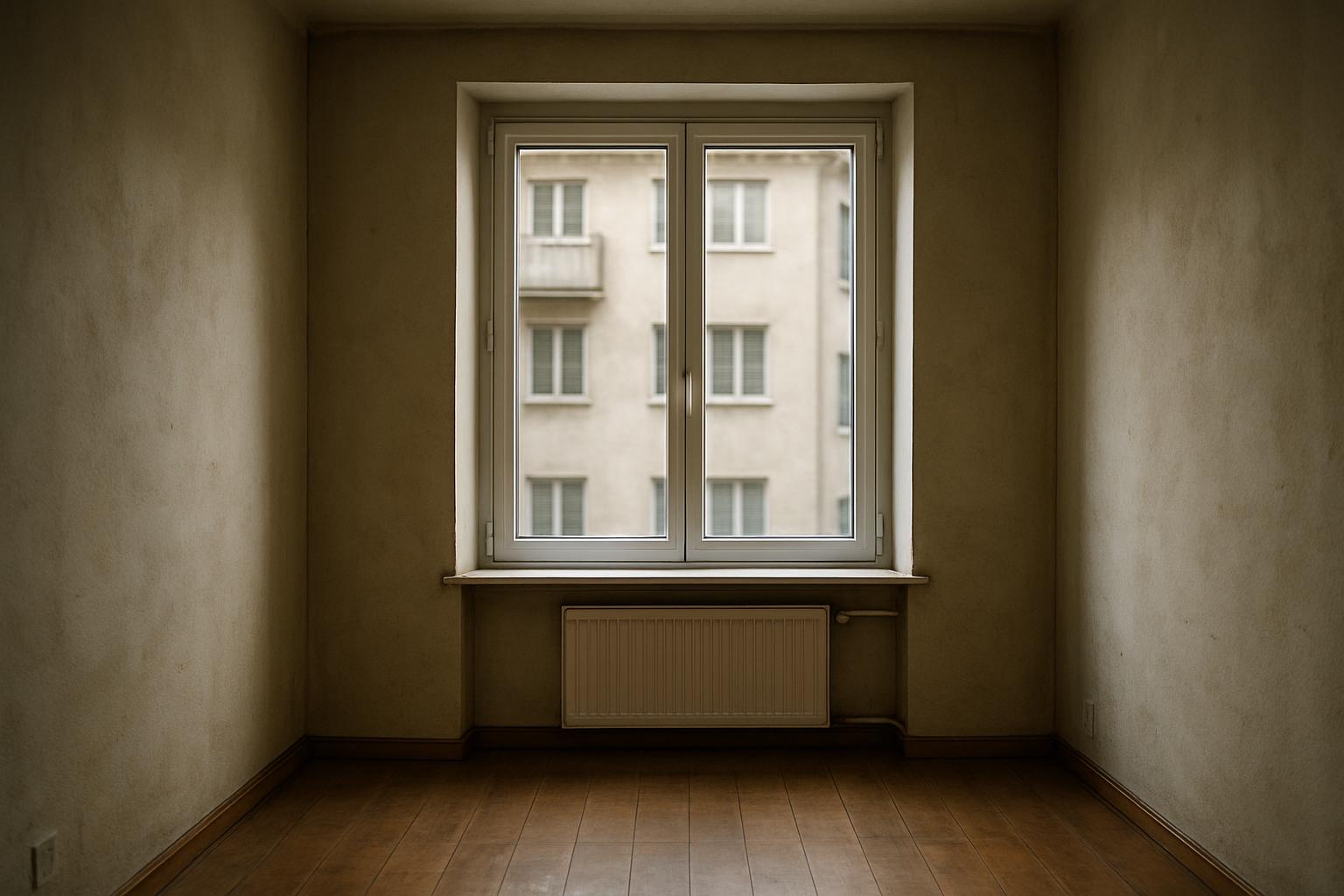
Why the move-out inspection is really about evidence
The inspection itself is the easy part — anyone can walk a property and notice that a carpet is stained or a wall is scuffed. The hard part is proving, weeks or months later, that the damage was there at move-out, that it went beyond fair wear and tear, and that the amount you withheld from the deposit was reasonable. In almost every jurisdiction, when a deposit deduction is challenged, the burden falls on the landlord or agent to justify it. If your evidence is thin, you lose, regardless of whether you were right.
That is why a move-out inspection report should be built from the start as a record someone else might scrutinize. Assume a tenant will dispute a charge. Assume a deposit scheme, tribunal, small-claims court, or adjudicator will read your file with no other context. Everything you capture — every photo, note, and timestamp — should make sense to a stranger who was never in the room. If it only makes sense to you, it isn't evidence yet.
The good news is that the discipline that produces strong evidence also produces a faster, cleaner turnover. When each issue is logged precisely with a photo and a location, the cleaner and the contractor know exactly what to do, the next tenant inherits a property that was genuinely checked, and you spend less time arguing and more time re-letting.
Start from the move-in baseline
A move-out report means very little on its own. Its power comes from comparison: this is how the property looked when the tenant took it, and this is how it looks now. Without that baseline — a check-in inventory or condition report taken at move-in, ideally signed or acknowledged by the tenant — you can document a scratch all you like, but you can't prove the tenant caused it. The first step of any move-out inspection is therefore to pull up the move-in record and have it open beside you.
If you have before-and-after pairs for the same fixture, surface, or room, a dispute often resolves itself. A photo of a clean, undamaged worktop at check-in next to a photo of a deep burn mark at check-out is hard to argue with. This is also why your move-in documentation should be just as thorough as your move-out documentation — the two are a matched set, and the weaker one sets the ceiling on what you can claim.
Where no proper baseline exists, be honest with yourself about what you can fairly charge. You can still document the current condition for the next tenancy and your own records, but you should be cautious about deductions you can't tie to a clear starting point. The lesson for next time is to invest in the check-in: a strong move-out report is only as good as the move-in report it is measured against.
Work room by room with a consistent method
Inconsistency is what makes inspections fall apart. If you photograph the kitchen in detail but rush the bathrooms, the gaps show, and a tenant's representative will point to them. Move through the property in a fixed order — entrance, then each room, then outdoor and shared areas — and apply the same routine in every space: a wide shot to establish the room, then close-ups of anything notable. Capture ceilings, walls, floors, windows, doors, and fixtures in turn so nothing is skipped because you forgot it existed.
Pay particular attention to the areas that generate the most disputes: carpets and flooring, walls and paintwork, kitchen appliances and worktops, bathroom sealant and tiling, and anything the tenant installed or altered. Check the things that are easy to miss — the inside of the oven, behind appliances, the condition of blinds and curtains, the state of any garden or balcony, and whether all keys, fobs, and remotes have been returned. Note utility meter readings while you are there; they are part of a clean handover and occasionally part of a dispute.
Crucially, separate damage from fair wear and tear as you go, and say which is which in your notes. A faded patch of carpet in a high-traffic doorway after three years is wear; a wine stain or an iron burn is damage. Light scuffing on a wall is wear; holes from unauthorized shelving are damage. You do not have to resolve every judgment call on the spot, but flagging the distinction in the report shows you applied a fair standard rather than charging for everything you saw.
What makes a photo hold up in a dispute
A photo is only evidence if it answers three questions without help: what is this, where is it, and when was it taken. A blurry close-up of a stain on an anonymous beige floor proves nothing — it could be any floor, any time. The fix is to shoot in context first, then detail. Take one image that shows the damaged item within the room so its location is obvious, then move in for the close-up. Two photos that tell a story beat one ambiguous frame every time.
Get the basics right in the moment, because you cannot fix them afterwards. Use good light — open blinds, turn on lights, and avoid shooting into windows. Hold the camera steady so detail is sharp. Include something for scale where size matters, such as a hand or a coin next to a chip or crack. For anything where the exact spot is contested, capture enough of the surroundings that the location is unarguable. A measuring tape in the frame turns a vague big crack into a clear forty-centimeter crack.
Most important of all is metadata. A photo with a reliable timestamp and, ideally, location data is far stronger than a loose image file whose date could be anything. If a tenant claims your damage photo was actually taken at a different time or a different property, an embedded, tamper-evident timestamp is what settles it. Capturing photos through a system that records when and where each one was taken — rather than letting them sit loose in a phone's camera roll — is one of the simplest ways to make your evidence credible.
Write notes that a stranger can act on
Each issue needs a written note alongside its photos, and the test for a good note is the same as the test for a good photo: would someone who was never there understand it? "Damage in bedroom" is useless. "Cigarette burn approximately three centimeters across on the carpet, right of the window in the rear bedroom; carpet otherwise sound" tells a cleaner, a contractor, and an adjudicator exactly what happened and where. Describe the defect, its location, and its rough size or severity, and note the surrounding condition so the issue isn't mistaken for something worse.
Keep the language factual and neutral. The report should state what you observed, not how you feel about the tenant or what you assume they did. "Worktop has a deep burn mark" is a fact. "Tenant clearly didn't care about the place" is an opinion that weakens your file and can read as bias if the matter is formally reviewed. Stick to observable condition, and let the photos and the comparison to the baseline carry the argument.
Tie each note to a clear outcome where you can: clean, repair, replace, or charge. That turns the inspection from a list of complaints into an actionable turnover plan and makes any deposit deduction transparent. If you intend to claim for an item, the report should already contain the evidence and the reasoning, so that the deposit return statement you eventually send the tenant simply summarizes a record that already exists rather than inventing a justification after the fact.
Give the tenant a fair chance to respond
Wherever the rules allow it, invite the tenant to the move-out inspection or share the report with them promptly afterward. This is partly fairness and partly self-interest: a tenant who has seen the evidence and had the chance to comment is far less likely to dispute the deductions, and an adjudicator looks more favorably on a process that was open. Many jurisdictions also impose deadlines for returning a deposit or itemizing deductions, so a documented inspection that you can turn into a clear statement quickly keeps you compliant as well as fair.
Send the tenant a clear breakdown: the item, the evidence, the reason it goes beyond fair wear and tear, and the proposed cost, backed by quotes or invoices rather than round-number guesses. If they agree, you settle quickly. If they don't, you already have an organized, photo-backed, timestamped file ready to submit to whatever deposit scheme or tribunal applies in your area — no scrambling to reconstruct what happened weeks earlier from a chaotic camera roll.
Keep the full record even after the deposit is settled. Disputes can surface later, and a clean audit trail showing what was found, when it was logged, what was sent to the tenant, and how it was resolved protects you long after the keys have changed hands. The cost of keeping good records is small; the cost of not having them when you're challenged is the whole deduction plus your time.
How SnagGrid handles move-out documentation
SnagGrid is built for exactly this kind of evidence-driven inspection. As you walk the property, you snap a photo and drop a map pin — the address auto-fills, so the location is recorded without typing, and every image is captured with the context that makes it credible later. You add rough notes for each issue, and AI drafts a clear, factual report from what you wrote. It never invents facts, and you approve every word before anything is saved or sent, so the move-out inspection report says exactly what you observed and nothing more.
From there, SnagGrid emails the report to the right recipient — the tenant, your contractor, or the deposit scheme — logs every item to an audit trail with timestamps, and gives you one-tap follow-up reminders so repairs and quotes don't stall the turnover. A team dashboard with roles lets agents and managers see the whole pipeline, per-category routing sends cleaning, repairs, and disputes to the right people automatically, and CSV export plus a scoped REST API with webhooks let you fold the data into your own property systems. Pricing is $29 per month per organization for one seat, plus $15 per month for each extra seat — turning a scattered set of move-out photos into a record you can stand behind if a deposit is ever disputed.